Archives
- 2026-06
- 2026-05
- 2026-04
- 2026-03
- 2026-02
- 2026-01
- 2025-12
- 2025-11
- 2025-10
- 2025-09
- 2025-03
- 2025-02
- 2025-01
- 2024-12
- 2024-11
- 2024-10
- 2024-09
- 2024-08
- 2024-07
- 2024-06
- 2024-05
- 2024-04
- 2024-03
- 2024-02
- 2024-01
- 2023-12
- 2023-11
- 2023-10
- 2023-09
- 2023-08
- 2023-07
- 2023-06
- 2023-05
- 2023-04
- 2023-03
- 2023-02
- 2023-01
- 2022-12
- 2022-11
- 2022-10
- 2022-09
- 2022-08
- 2022-07
- 2022-06
- 2022-05
- 2022-04
- 2022-03
- 2022-02
- 2022-01
- 2021-12
- 2021-11
- 2021-10
- 2021-09
- 2021-08
- 2021-07
- 2021-06
- 2021-05
- 2021-04
- 2021-03
- 2021-02
- 2021-01
- 2020-12
- 2020-11
- 2020-10
- 2020-09
- 2020-08
- 2020-07
- 2020-06
- 2020-05
- 2020-04
- 2020-03
- 2020-02
- 2020-01
- 2019-12
- 2019-11
- 2019-10
- 2019-09
- 2019-08
- 2019-07
- 2019-06
- 2019-05
- 2019-04
- 2018-07
-
br Materials and methods br Results
2019-09-04

Materials and methods Results Discussion Although no increase in DAPK activity was detected at early time points associated with neuronal apoptosis, it is possible that the spread of apoptosis through the VER 155008 following HI is not synchronized enough to yield a large, consistent fluct
-
blz br CDK Regulators as Coactivators of NF
2019-09-04

CDK Regulators as Coactivators of NF-κB and STAT CDK regulating proteins also have the ability to control the inflammatory response. The p21CIP1 protein binds to and inhibits the activity of cyclin–CDK4/6 and cyclin–CDK1/2 complexes. Consistent with its ability to inhibit CDK activity, deletion o
-
W146 Currently no evidence supports pathogenic variants in e
2019-09-04

Currently, no evidence supports pathogenic variants in exons 20, 21, and 22, which are part of transcript isoform hCDKL5_5, or within exon 17, which is part of transcript isoform hCDKL5_2. The pathogenicity of variants in the 5′ untranslated region remain uncertain except for deletions extending to
-
Cys LT have been shown to be critical for stimulation
2019-09-03
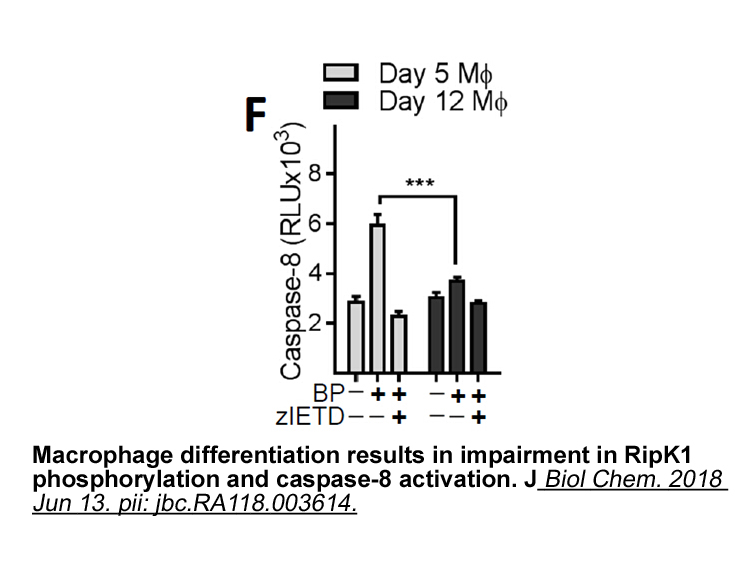
Cys-LT have been shown to be critical for stimulation of monocytes to produce various proinflammatory factors [32,67]. Fig. 3 shows results obtained with human peripheral monocyte-derived macrophages differentiated for 6 days with 20 ng/ml macrophage colony-stimulating factor (M-CSF) and challenged
-
br Conclusions br Source of
2019-09-03
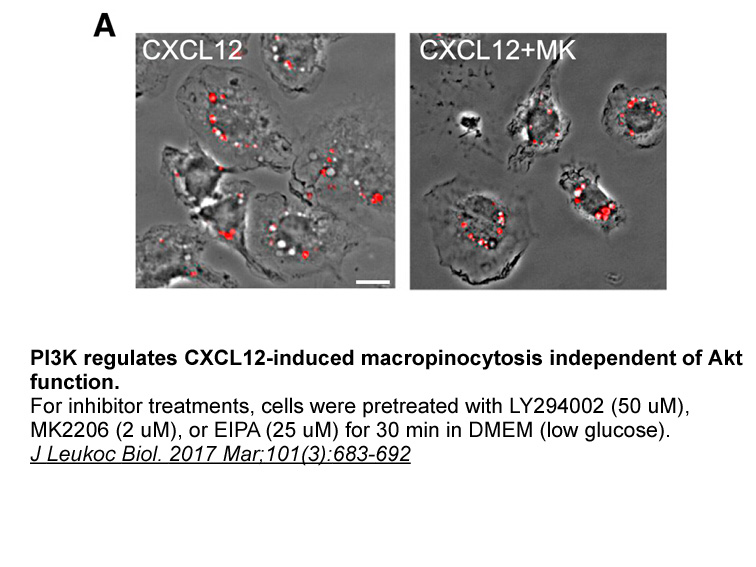
Conclusions Source of financial support or funding This investigation was supported by the University of Utah Study Design and Biostatistics Center, with funding in part from the National Center for Research Resources and the National Center for Advancing Translational Sciences, National Insti
-
The evaluation of internal exposure in
2019-09-03
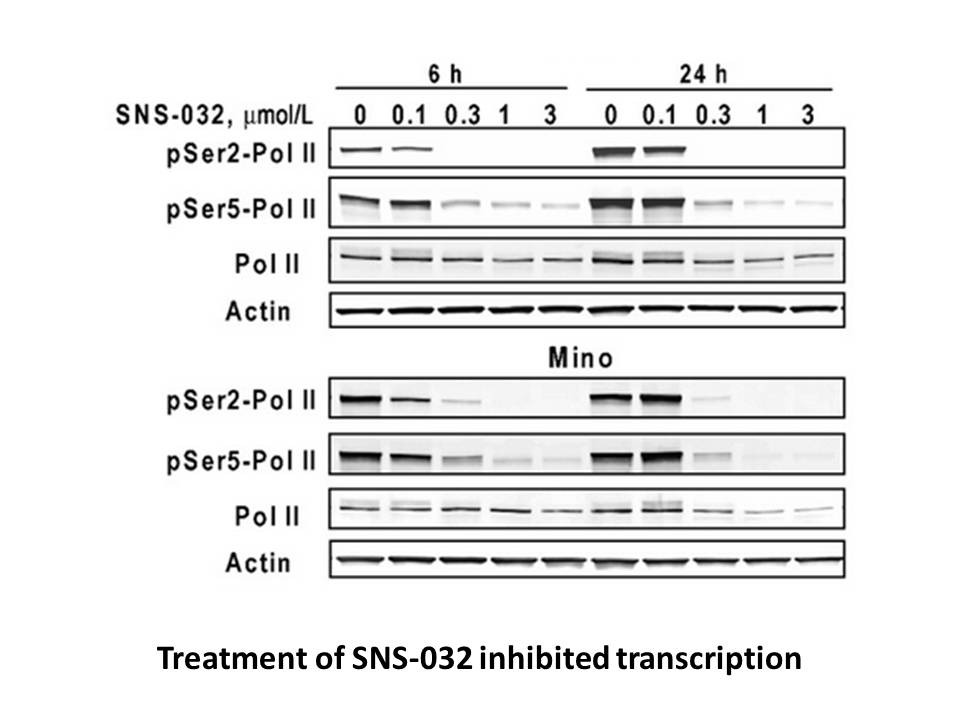
The evaluation of internal exposure in workers with omethoate is challenging. Unfortunately, OPs are metabolized and excreted quickly in the urine usually within 24–48 h of exposure, and the variation in metabolic rates exists. Many factors influence daily urinary output, such as salt intake, urea a
-
br Introduction Hematopoietic stem cells and leukemic stem
2019-09-03
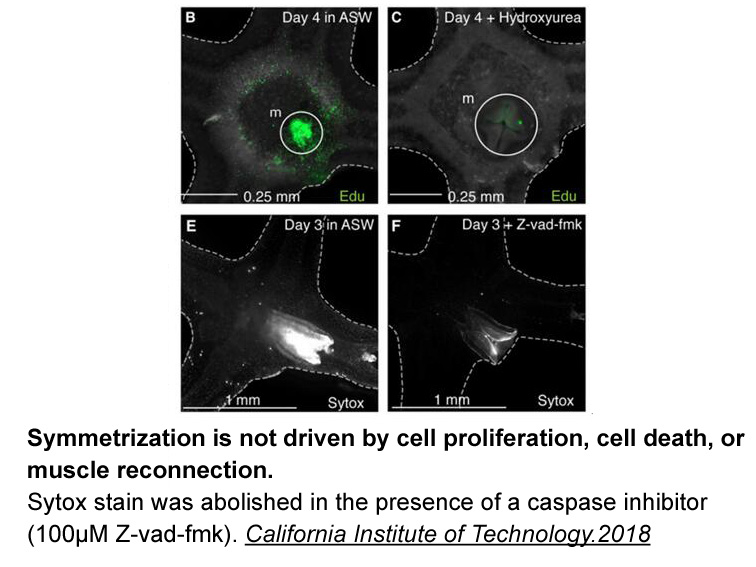
Introduction Hematopoietic stem blasticidin and leukemic stem cells (HSCs and LSCs, respectively) both have a capacity of self-renewal. Whereas HSCs give rise to all blood lineages during lifetime hematopoiesis, LSCs are responsible for the initiation and propagation of leukemia, as well as drug
-
The action of pt PGE as an
2019-09-03
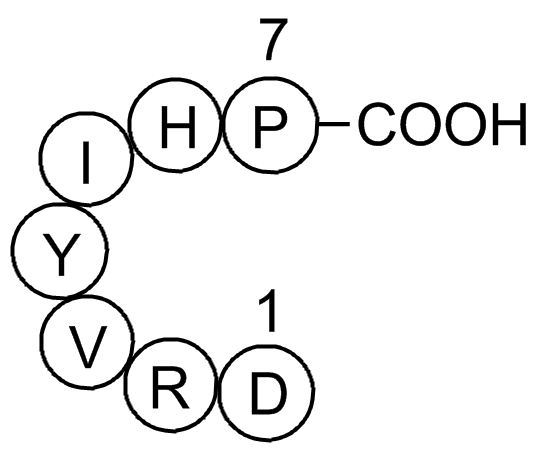
The action of 17-pt-PGE2 as an EP1 receptor agonist [34] was demonstrated in several experimental settings, including cancer, neurons, vascular system, kidney and was confirmed by application of EP1 receptor selective antagonists [35], [36], [37], [38], [39], [40], [41]. Receptor binding studies in
-
For immobilization of enzymes natural polymers
2019-09-03
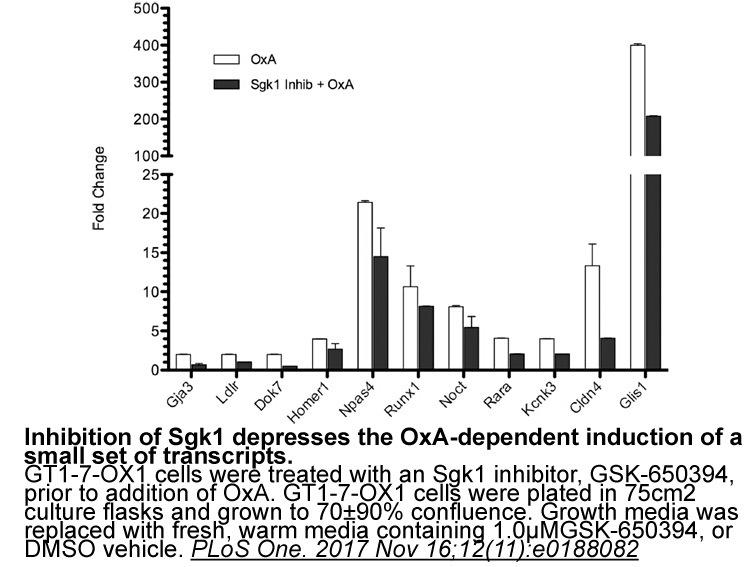
For immobilization of enzymes, natural polymers depict several outstanding features as support. These materials are inert, non-toxic, biodegradable and biocompatible. As well as, they can be treated with different functional groups easily by chemical reactions that occur under gentle conditions in a
-
The synthetic routes to the substrates based on the dihydrox
2019-09-03
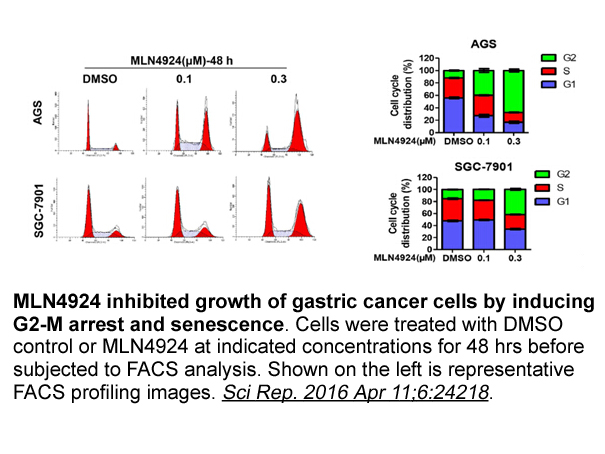
The synthetic routes to the substrates based on the 2,3-dihydroxynaphthalene and 6,7-dibromo-2,3-dihydroxynaphthalene cores are depicted in Scheme 3. A Michael-type glycosylation of 2,3-dihydroxynaphthalene 16a gave the acetylated sugar 17a which was deprotected giving the required β-glucosidase sub
-
We can think of two ways in which collagen
2019-09-03

We can think of two ways in which collagen binding could activate DDR (Figure 8). A single collagen triple helix could interact with both DS domains in the DDR dimer (“composite binding site”) and thereby activate the receptor, similar to the situation exemplified by the growth hormone-growth hormon
-
Covalent inhibitors are well suited
2019-09-03

Covalent inhibitors are well suited for targeting the E1 Tiplaxtinin of Ubl modifications. Because the E1 enzymes in Ubl modifications, such as the SUMO E1 and Atg7, have a slow turnover rate (Boggio et al., 2004), prolonged inhibition can be achieved without requiring compounds to be stable in cir
-
etretinate and In our preliminary evaluation of this series
2019-09-02
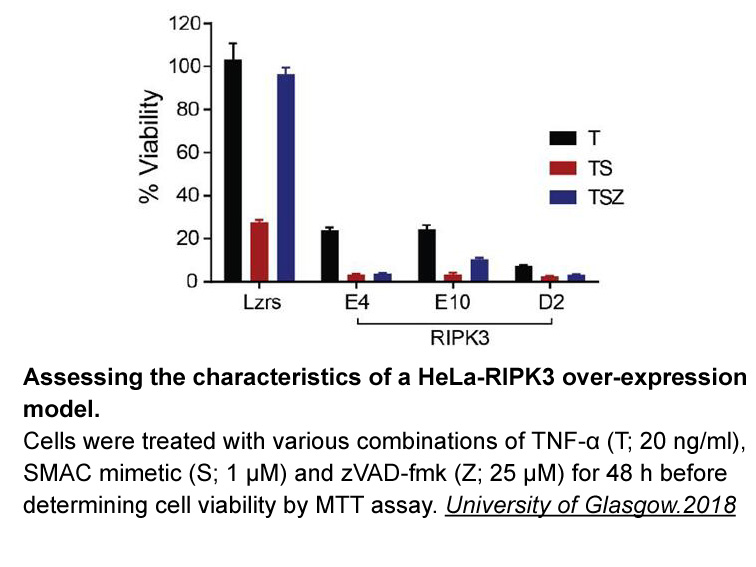
In our preliminary evaluation of this series, we were surprised to discover that etretinate and was found to bind CSF-1R in a classical DFG-in binding mode (a). Dramatic conformational differences in the juxtamembrane domain and activation loops are apparent when this DFG-in structure is compared
-
EBI remains an orphan GPCR and the identity and source
2019-09-02
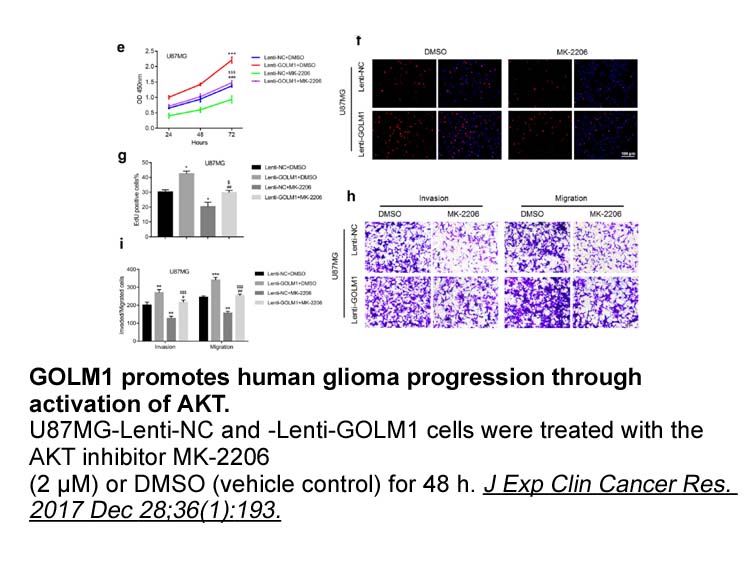
EBI2 remains an orphan GPCR and the identity and source of its ligand are yet to be described. Molecular studies of EBI2 have suggested that this receptor has constitutive activity, similar to that observed for many herpesvirus-encoded 7TM receptors (Benned-Jensen and Rosenkilde, 2008, Rosenkilde et
-
A possible explanation for these observations has been
2019-09-02
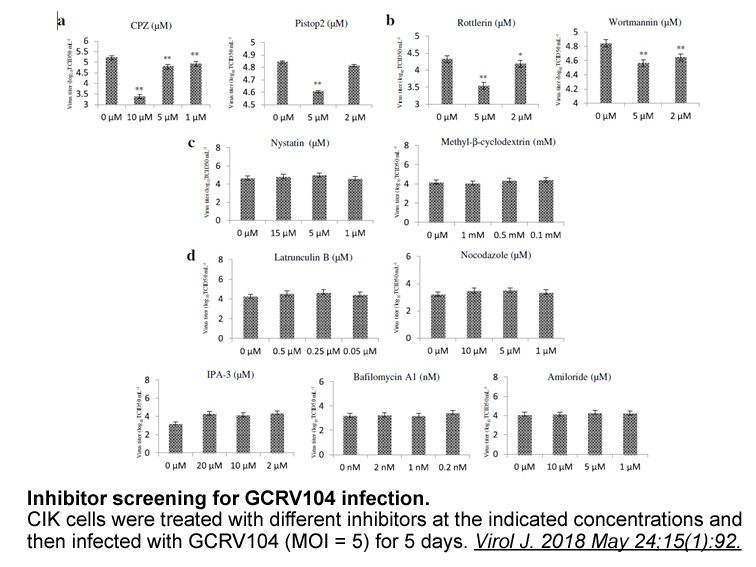
A possible explanation for these observations has been provided by a recent study showing that EWS-FLI-1 increases the Skp2-mediated 26S proteasome degradation, decreasing p27 protein stability and preventing cell senescence [42]. Mechanism of action of EWS-FLI-1 Molecular analysis has revealed
16190 records 1009/1080 page Previous Next First page 上5页 10061007100810091010 下5页 Last page