Archives
- 2026-10
- 2026-09
- 2026-08
- 2026-07
- 2026-06
- 2026-05
- 2026-04
- 2026-03
- 2026-02
- 2026-01
- 2025-12
- 2025-11
- 2025-10
- 2025-09
- 2025-03
- 2025-02
- 2025-01
- 2024-12
- 2024-11
- 2024-10
- 2024-09
- 2024-08
- 2024-07
- 2024-06
- 2024-05
- 2024-04
- 2024-03
- 2024-02
- 2024-01
- 2023-12
- 2023-11
- 2023-10
- 2023-09
- 2023-08
- 2023-07
- 2023-06
- 2023-05
- 2023-04
- 2023-03
- 2023-02
- 2023-01
- 2022-12
- 2022-11
- 2022-10
- 2022-09
- 2022-08
- 2022-07
- 2022-06
- 2022-05
- 2022-04
- 2022-03
- 2022-02
- 2022-01
-
br Introduction There are greater than five million
2022-10-24
Introduction There are greater than five million Americans living with Alzheimer's dementia and more than 35 million people worldwide [1], and without a way to stop or slow the progression, there will be nearly a tripling of individuals affected by 2050 (13.8 million) [1]. The urgency to develop
-
br Autophagy in the central nervous
2022-10-22

Autophagy in the central nervous system The autophagic process appears to be very important for the cells of the central nervous system, as it allows to maintain the functional integrity of the nervous tissue. Indeed macroautophagy is involved in the regulation of homeostasis of the CNS, playing
-
Another class of AMPK regulator is peptidyl prolyl
2022-10-21

Another class of AMPK regulator is peptidyl-prolyl cis/trans isomerase (PPIase) NIMA-interacting 1 (Pin1), which binds to a number of proteins and regulates oncogenesis and metabolic diseases (Khanal et al., 2013; Zhou and Lu, 2016). Pin1 has been shown to bind to and inhibit AMPK; therefore, at lea
-
The number of times an animal reared was
2022-10-20
The number of times an animal reared was the only emotional behavior that was significantly higher in the young mice than in the middle-aged group. This may be explained by diminished curiosity or augmented ambulation with aging (Lalonde and Strazielle, 2008). A recent study showed that middle-aged
-
Furthermore we found up regulated protein and mRNA levels of
2022-10-19
Furthermore, we found up-regulated protein and mRNA levels of adenosine kinase in mouse retina with TON. The up-regulation of ADK was previously demonstrated in diabetic retinopathy (Pang et al., 2010). Greater levels of ADK in activated macrophages and microglial cells abrogate the immune response.
-
It has been known that LOX is the rate
2022-10-18
It has been known that 5-LOX is the rate-limiting enzyme for the products of LTs, and LTs actively participate in the activation of neutrophils [10]. In our study, we determined whether 5-LOX was upregulated in pancreatic tissues during ANP. Moreover, we investigated whether the inhibition of expres
-
The knowledge on the structure of CYP
2022-10-18
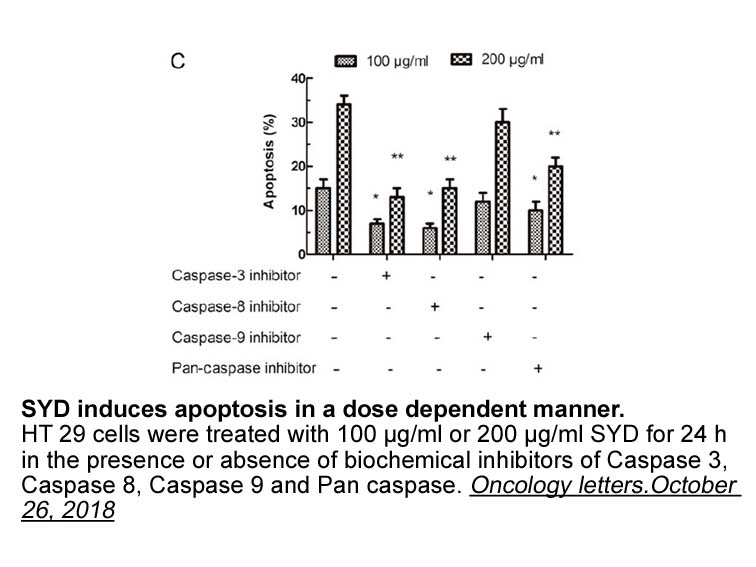
The knowledge on the structure of CYP17, including its active site, provides a rationale for understanding many mutations that are found in enzyme dysfunction in clinical disease as well as the enzyme's dual hydroxylase and lyase catalytic capabilities. This knowledge will assist rational drug desig
-
To the best of our
2022-10-14
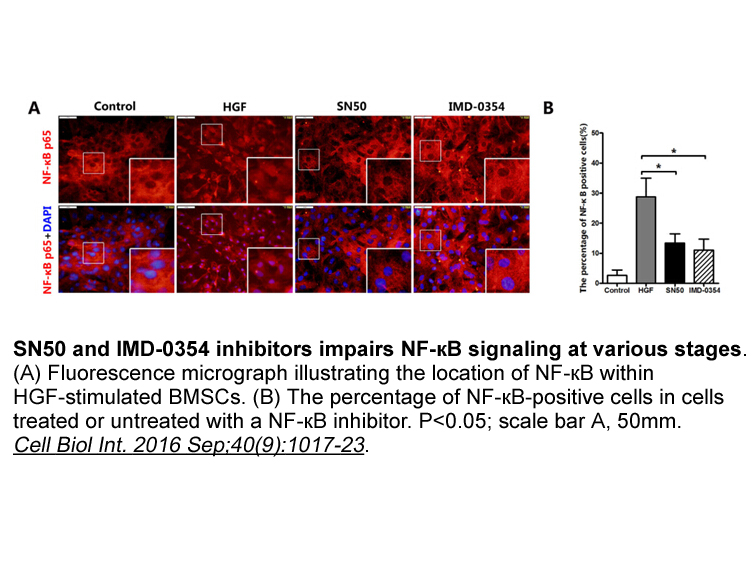
To the best of our knowledge, this is the first study documenting the SCC modulatory effect at central and kidney level on the shift in the vasoconstrictor-vasodilator ratio of mRNA expression of angiotensin receptors toward vasoconstriction in XY-SCC and/or vasodilation in XX-SCC mice. From these r
-
However in recent years advanced experiments and findings
2022-10-14
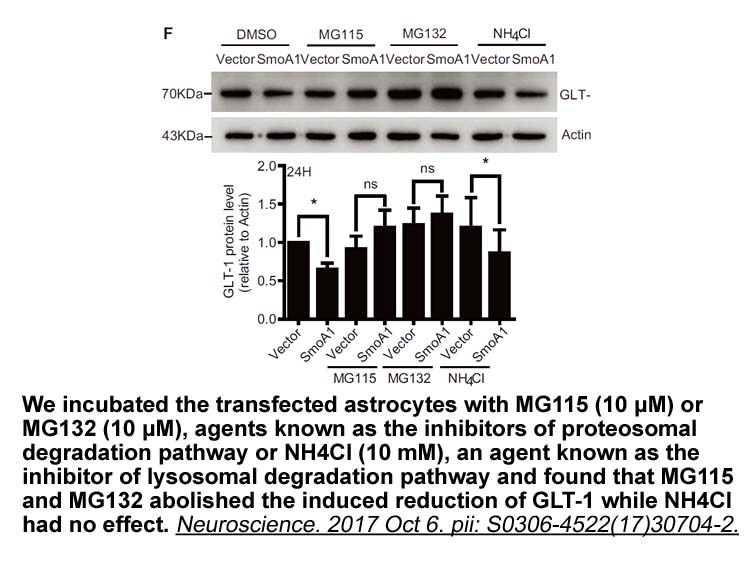
However, in recent years advanced experiments and findings are emerging to give us more detailed information on Aβ-membrane interactions. Several reviews have provided background on the fibrillation of Aβ and the Aβ-membrane interactions [[18], [19], [20], [21], [22]]. In this review, we mainly focu
-
Ethacrynic Acid Through systematic deletion of AhR in
2022-10-14
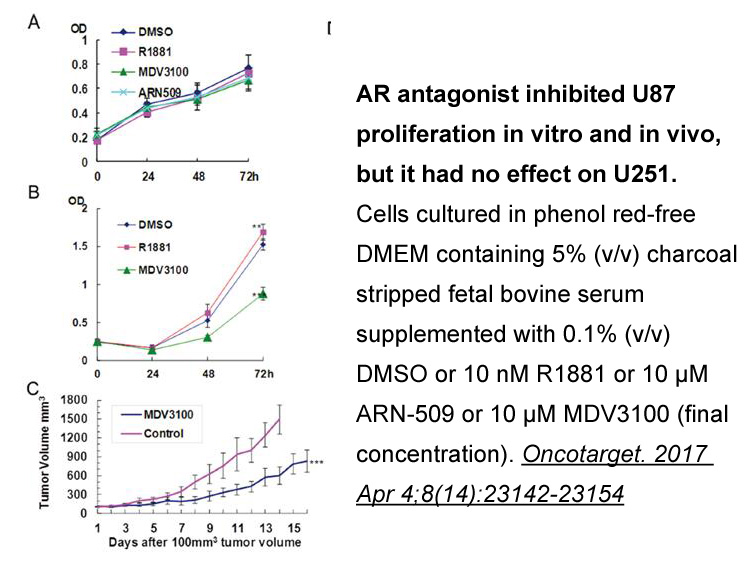
Through systematic Ethacrynic Acid of AhR in specific cell types, Di Meglio et al. (2014) revealed that AhR in keratinocytes and fibroblasts are key to the exacerbated psoriatic phenotype induced by IMQ in AhR-deficient mice. This emphasizes the crosstalk between keratinocytes and the immune system
-
br Preliminary remarks Expression of the transcription facto
2022-10-14
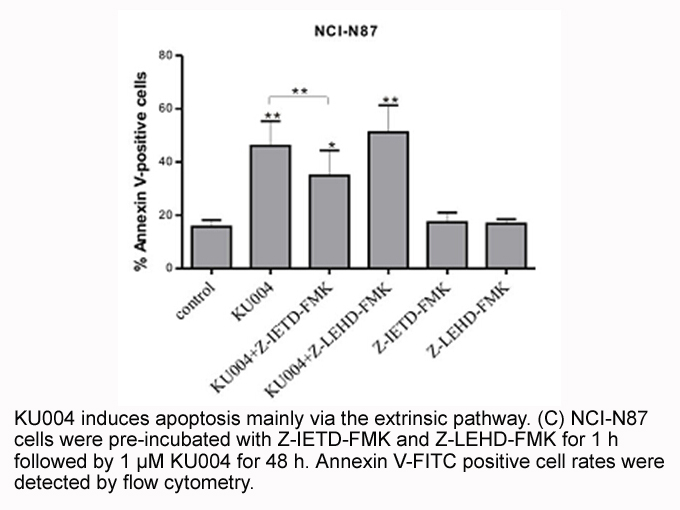
Preliminary remarks Expression of the transcription factor aryl hydrocarbon receptor (AHR) and the AHR-repressor (AHRR) are both strikingly high in the Micafungin of barrier organs skin and gut [1,2]. It is generally assumed that this reflects their role in linking environmental factors to an ad
-
To examine whether the interaction between mGlu and
2022-10-14
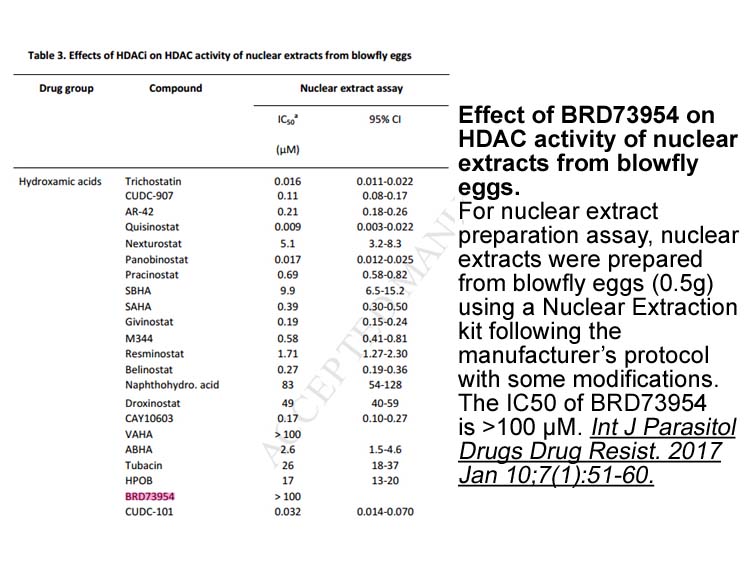
To examine whether the interaction between mGlu7 and α1-adrenergic receptors could be confirmed at a behavioural level, we performed the FST in mice. This test has value in predicting the antidepressant-like effect of drugs or environmental manipulations (Krishnan and Nestler, 2008, Krishnan and Nes
-
The same applies also to intermediate formally obtained
2022-10-14
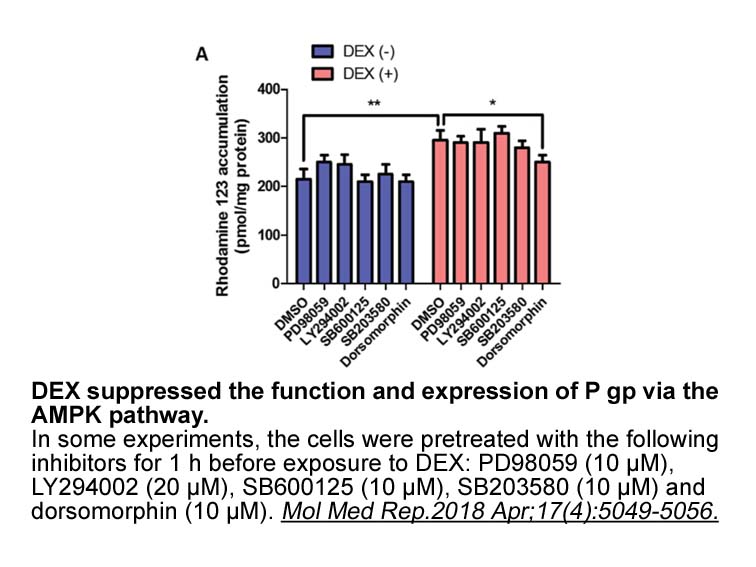
The same applies also to intermediate , formally obtained by elimination of the R substituent from compound . If compared to the thienopyrimidine derivatives (series , C), the thieno[3,2-]pyridazin-5(4H)-ones – explored herein seem to maintain similar size and shape and also analogue structural char
-
There has been growing interest over computational methods t
2022-10-14
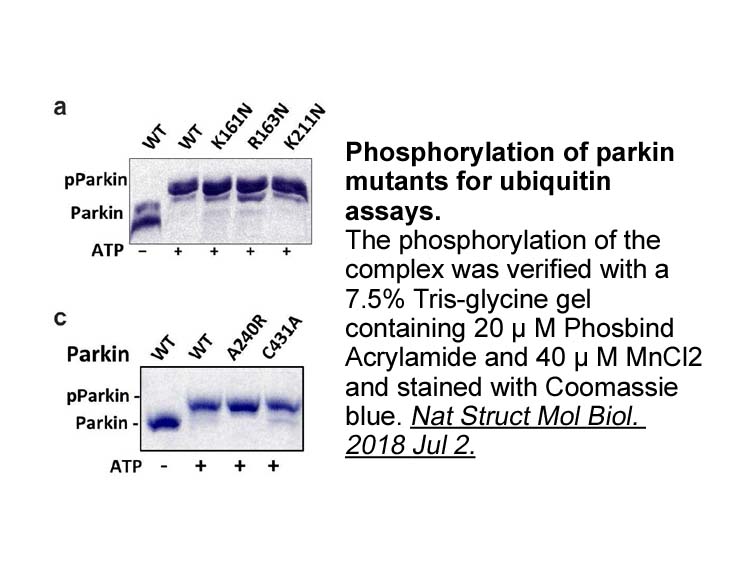
There has been growing interest over computational methods to predict the biological activity by chemical structure, so as to decide whether it SR 2595 sale has objective qualities or not. In this contribution, the well-known method, which is called quantitative structure–activity relationship (QSAR
-
Introduction Mammalian cells express the seven STAT
2022-10-14
Introduction Mammalian TW-37 express the seven STAT family members STAT1, −2, −3, −4, −5A, −5B, and −6 [1], [2]. All STATs exert physiologically important roles as homo- and heterodimers [2], [3], [4]. Cytokines and growth factors activate STATs through the activation of kinases that phosphorylate
8433 records 413/563 page Previous Next First page 上5页 411412413414415 下5页 Last page