Archives
- 2026-10
- 2026-09
- 2026-08
- 2026-07
- 2026-06
- 2026-05
- 2026-04
- 2026-03
- 2026-02
- 2026-01
- 2025-12
- 2025-11
- 2025-10
- 2025-09
- 2025-03
- 2025-02
- 2025-01
- 2024-12
- 2024-11
- 2024-10
- 2024-09
- 2024-08
- 2024-07
- 2024-06
- 2024-05
- 2024-04
- 2024-03
- 2024-02
- 2024-01
- 2023-12
- 2023-11
- 2023-10
- 2023-09
- 2023-08
- 2023-07
- 2023-06
- 2023-05
- 2023-04
- 2023-03
- 2023-02
- 2023-01
- 2022-12
- 2022-11
- 2022-10
- 2022-09
- 2022-08
- 2022-07
- 2022-06
- 2022-05
- 2022-04
- 2022-03
- 2022-02
- 2022-01
-
Long term effects of prolonged darkness on specific physiolo
2022-07-04
Long-term effects of prolonged darkness on specific physiological activities were also monitored at different leaf positions. Basically, stomatal conductance and CO2 assimilation were different at various leaf stages and were decreased or inhibited significantly within 24 h in all leaf positions upo
-
A common principle to ameliorate underquantification because
2022-07-04
A common principle to ameliorate underquantification because of primer or probe mismatching is to employ multiple targets for detection or quantification of blood borne viruses [14]. Dual targeting real time PCRs have become common for quantification of HIV-1 [15], [16]. In a recent paper arguing fo
-
In summary we propose a model that explains the
2022-07-04

In summary, we propose a model that explains the possible mechanism the HULC mediates activation of HBV in liver cancer triclabendazole (Fig. 8). In the model, HULC promotes the expression of miR-539 by stimulating HBx-co-activated STAT3. Then, miR-539 down-regulates APOBEC3B, leading to an increas
-
In addition to understanding the GEF GAP cycle regulating
2022-07-04
In addition to understanding the GEF-GAP cycle regulating Rho-family GTPases, studies have continued to address the role of the Rho-GDIs, which binds to the geranylgeranyl tail to sequester Rho-family GTPases from interacting with lipid membranes, preventing their activation. Whilst it would be temp
-
Little is known about the role of
2022-07-04
Little is known about the role of GPR35 in physiology and pathology. Using GPR35 knockout and wild-type mice showed that GPR35 activation by KYNA improves energy metabolism and inflammation, while demonstrated that GPR35 plays an important role in the development of angiotensin II-induced hypertensi
-
butein br AUTHOR CONTRIBUTIONS br ACKNOWLEDGMENTS br Introdu
2022-07-04
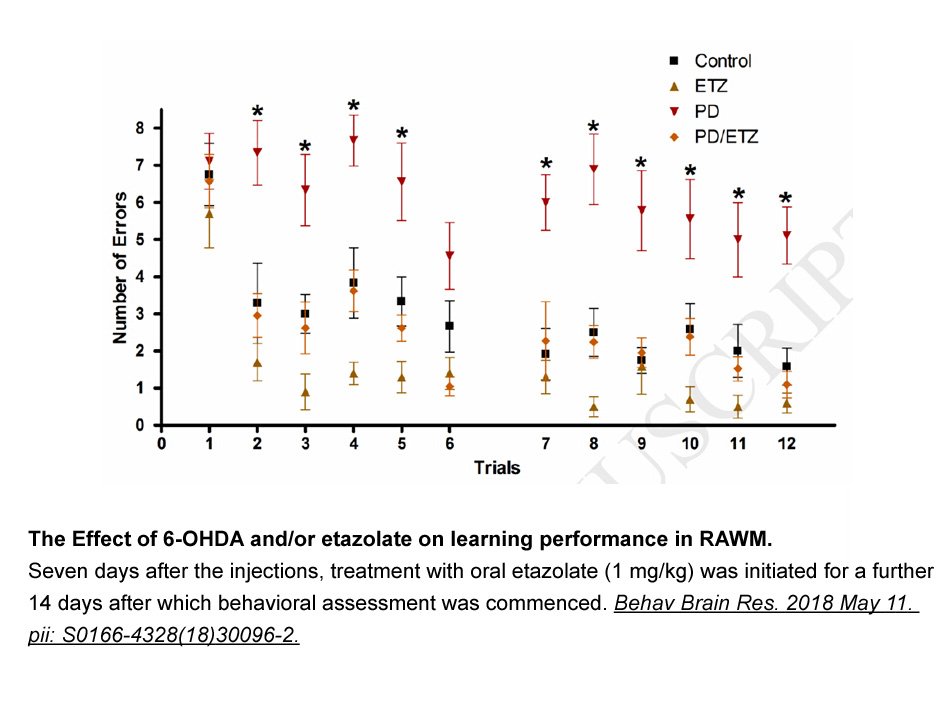
AUTHOR CONTRIBUTIONS ACKNOWLEDGMENTS Introduction Chronic neuropathic pain is a common symptom in patients with human immunodeficiency virus (HIV)-1 infection. Glycoprotein 120 (gp120) is an HIV-1 protein that can cause pain behaviors in animal models (Hao, 2013, Nasirinezhad et al., 2015,
-
Spatial working memory improved in the Balb c strain at
2022-07-04
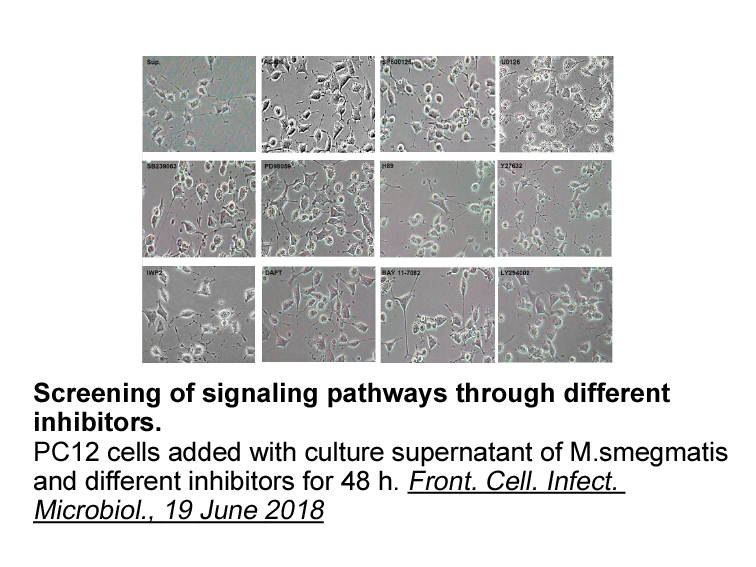
Spatial working memory improved in the Balb/c strain at a dose of VU0410120 (i.e., 30mg/kg) that disrupted spatial working memory in the Swiss Webster comparator strain. Consistent with a recent PET study in rhesus macaques suggesting a relationship between the extent of the dose-dependent occupancy
-
GlxI is a member of the superfamily
2022-07-04
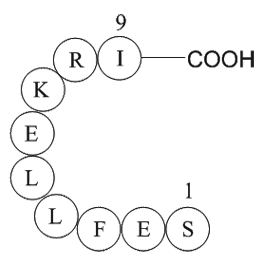
GlxI is a member of the βαβββ superfamily of proteins, consisting of fosfomycin resistance protein (FosA), methylmalonyl-CoA epimerase (MMCE), extradiol dioxygenase (DIOX), mitomycin C resistance protein (MRP) and bleomycin resistance protein (BRP) [29], [30], [31]. These proteins are believed to ha
-
br Introduction Methylglyoxal MG is a
2022-07-04

Introduction Methylglyoxal (MG) is a highly reactive dicarbonyl metabolite formed in cells mainly by the spontaneous degradation of triose phosphates, glyceraldehyde-3-phosphate, and dihydroxyacetone phosphate (Rabbani and Thornalley, 2012). It exists in a wide range of organisms, including proto
-
In three groups independently proposed two different mechani
2022-07-04
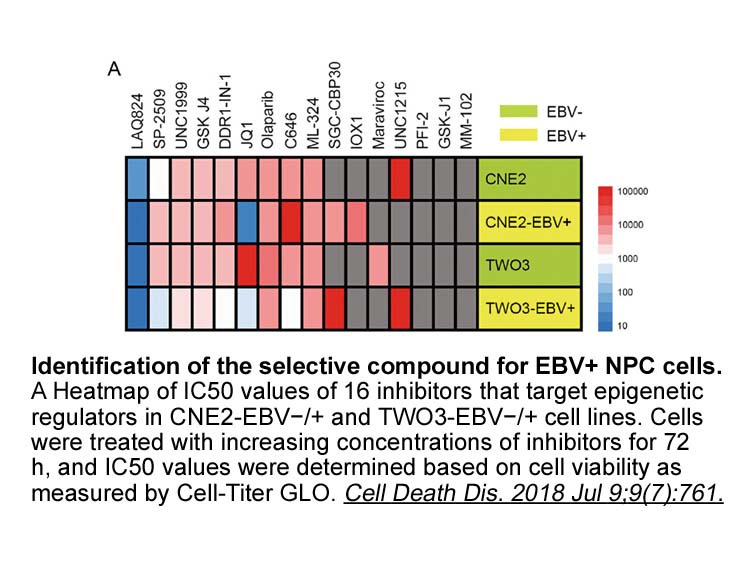
In 2001, three groups independently proposed two different mechanisms for the catalytic reaction of GlxI [5], [6], [7]. Richter and Krauss (RK) used HF/4–31G calculations of the active site, coupled with a frozen effective fragment potential description [8], [9] of eleven residues in the binding sit
-
br Perspectives br Contributors BP study concept design
2022-07-04
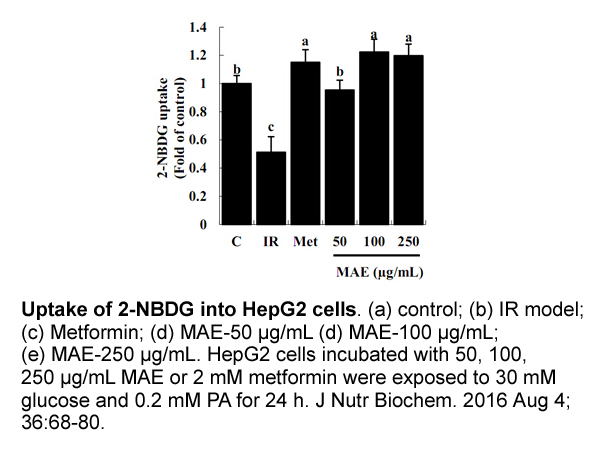
Perspectives Contributors BP: study concept & design, literature review, data analysis & synthesis & presentation, primary draft of the manuscript; JDR: data analysis, Fig. 1 illustration, manuscript review & revision; ZP: study concept & design, manuscript review & edit; MI: manuscript review
-
ion channels HSOR belonging to the aldoketo
2022-07-04
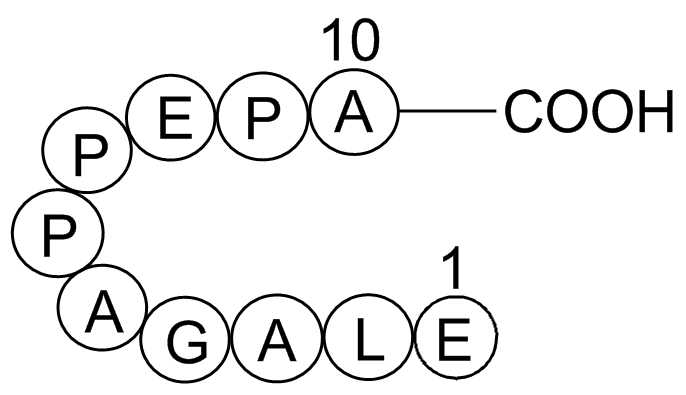
3α-HSOR, belonging to the aldoketo reductase superfamily, is a rate-limiting enzyme for the synthesis of 3α-reduced steroids, such as allopregnanolone and tetrahydrodeoxycorticosterone. 3α-HSOR was extensively expressed in the spinal dorsal horn and was upregulated following peripheral nerve injury,
-
With these cyclopropene glutamate derivatives in hand we
2022-07-04
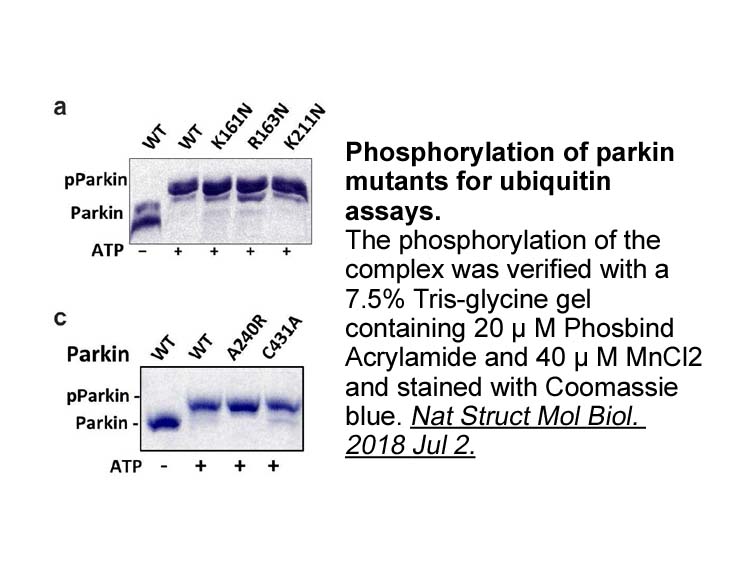
With these cyclopropene-glutamate derivatives in hand, we tested their ability to ligate with popular bioorthogonal reagents (Fig 3). First, we tested their ability to ligate with a tetrazine (3,6-Di-2-pyridyl-1,2,4,5-tetrazine) via an inverse electron demand Diels-Alder reaction by monitoring the c
-
br Cell origin The ontogeny of astrocytes in vitro
2022-07-04
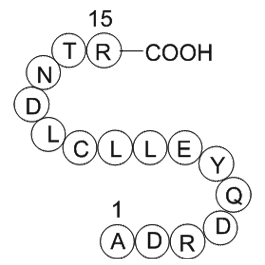
Cell origin The ontogeny of astrocytes in vitro has been investigated in detail; Raff et al. (1983) characterised two types of astrocytes: type 1 being fibroblast-like in morphology and poorly labelled with a monoclonal antibody (AB25), whereas type 2 exhibited oligodendrocyte or neuron-like morp
-
br Conclusion br Acknowledgment This study was
2022-07-04

Conclusion Acknowledgment This study was supported by grants from the Excellence Initiative of the German federal and state governments, the Else Kröner-Fresenius Foundation and the German Society for Cardiology (DGK) to F.K. and grants from the Deutsche Forschungsgemeinschaft (SFB TRR 219 M-0
8433 records 456/563 page Previous Next First page 上5页 456457458459460 下5页 Last page