Archives
- 2026-10
- 2026-09
- 2026-08
- 2026-07
- 2026-06
- 2026-05
- 2026-04
- 2026-03
- 2026-02
- 2026-01
- 2025-12
- 2025-11
- 2025-10
- 2025-09
- 2025-03
- 2025-02
- 2025-01
- 2024-12
- 2024-11
- 2024-10
- 2024-09
- 2024-08
- 2024-07
- 2024-06
- 2024-05
- 2024-04
- 2024-03
- 2024-02
- 2024-01
- 2023-12
- 2023-11
- 2023-10
- 2023-09
- 2023-08
- 2023-07
- 2023-06
- 2023-05
- 2023-04
- 2023-03
- 2023-02
- 2023-01
- 2022-12
- 2022-11
- 2022-10
- 2022-09
- 2022-08
- 2022-07
- 2022-06
- 2022-05
- 2022-04
- 2022-03
- 2022-02
- 2022-01
-
The primary or in transit site of
2022-03-14
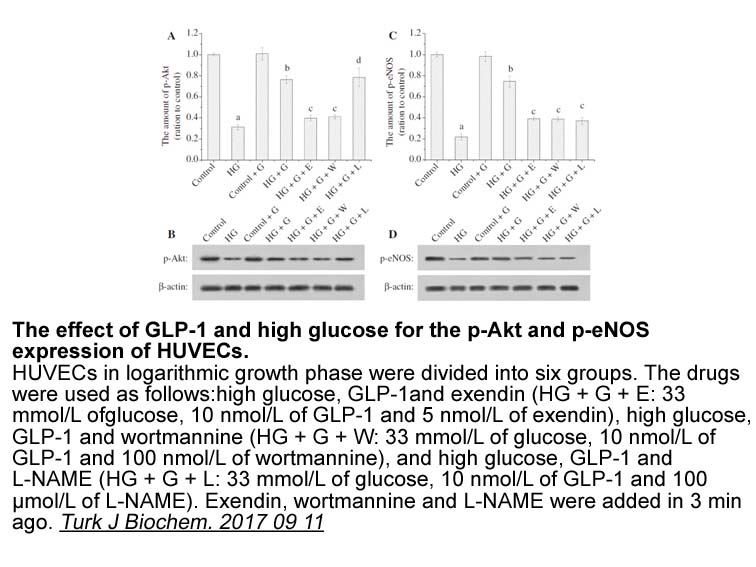
The primary or in-transit site of metastasis for many cancers, including melanoma, are nearby sentinel lymph nodes (LNs) [6]. As such, sentinel LN biopsy is a common procedure to diagnose and stage melanoma progression [7,8]. Sentinel LNs are often the primary site of metastasis due to tumor cell-st
-
It is well known that TLR induced inflammation is associated
2022-03-14
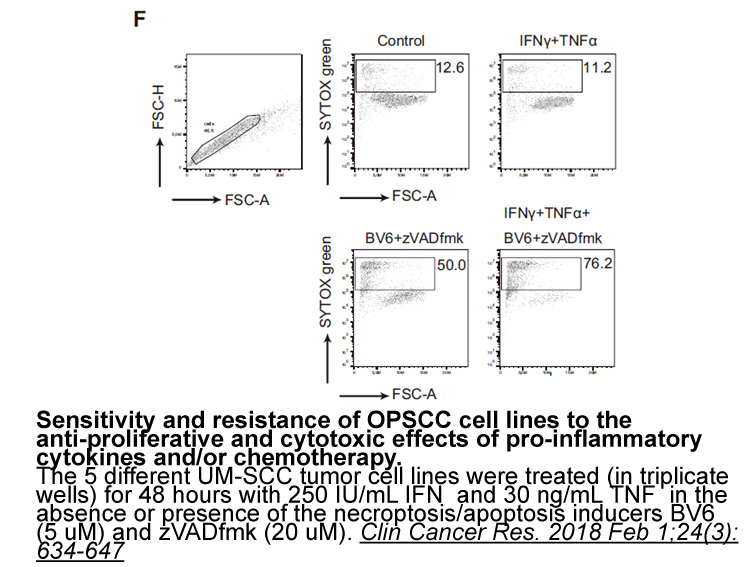
It is well known that TLR4-induced inflammation is associated with behavioural alterations including fever, hypolocomotion, altered appetite, anxiety and anhedonia (Dantzer, 2006, Dantzer et al., 2008). The current data demonstrate that while PF3845 potently attenuates TLR4-induced cytokines in the
-
Acknowledgements br Introduction Histamine mediates various
2022-03-14
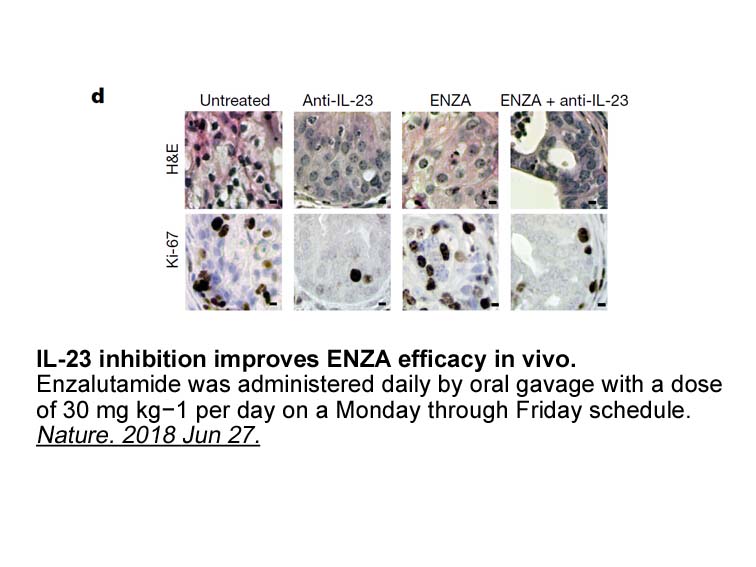
Acknowledgements Introduction Histamine mediates various physiological functions and pathological actions through its interactions with histamine receptors that belong to the superfamily of seven transmembrane G-protein-coupled receptors (GPCRs) (Haas et al., 2008). Four histamine receptor subty
-
Tourette s syndrome TS is a neurobehavioral disorder charact
2022-03-14
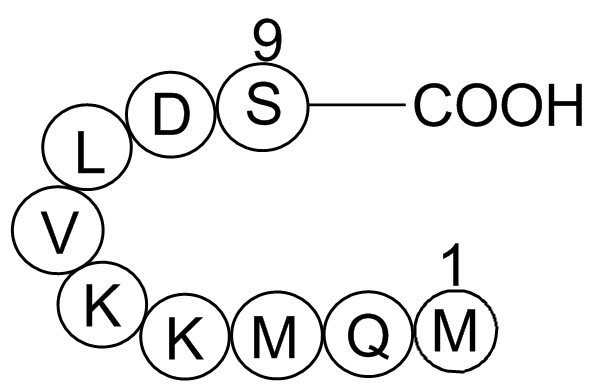
Tourette's syndrome (TS) is a neurobehavioral disorder characterized by chronic motor and vocal tics. The histaminergic system appears to be implicated in the pathophysiology of TS because H3R up-regulation has been observed in the striatum of HDC knock-out animal models (Rapanelli et al., 2017; Rap
-
br Materials and methods br
2022-03-14
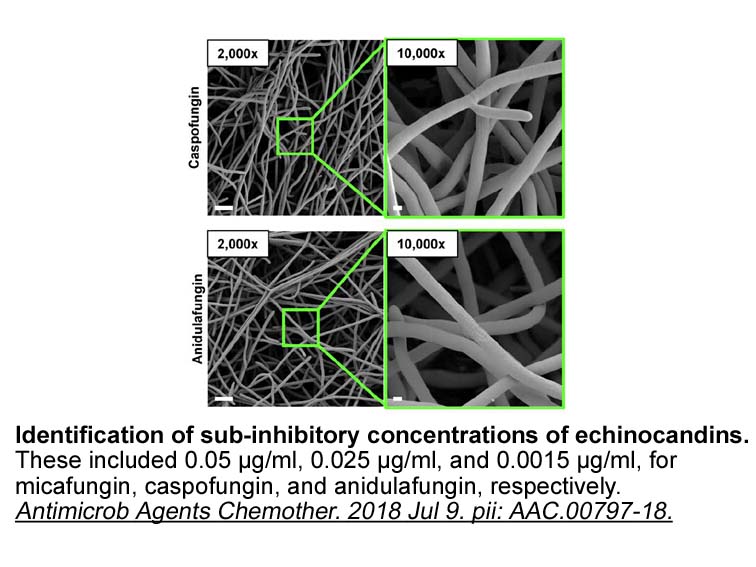
Materials and methods Results Estimations of OMP generated by the proposed mechanism (Fig. 1) were first performed for the range of 0.001–2 mM of 2-Deoxycytidine synthesis concentration in the cytosol. It was assumed that only 5% of all VDACs in MOM form the ANT-VDAC1-HKI contact sites, and t
-
There were limitations to this study Specifically although
2022-03-14
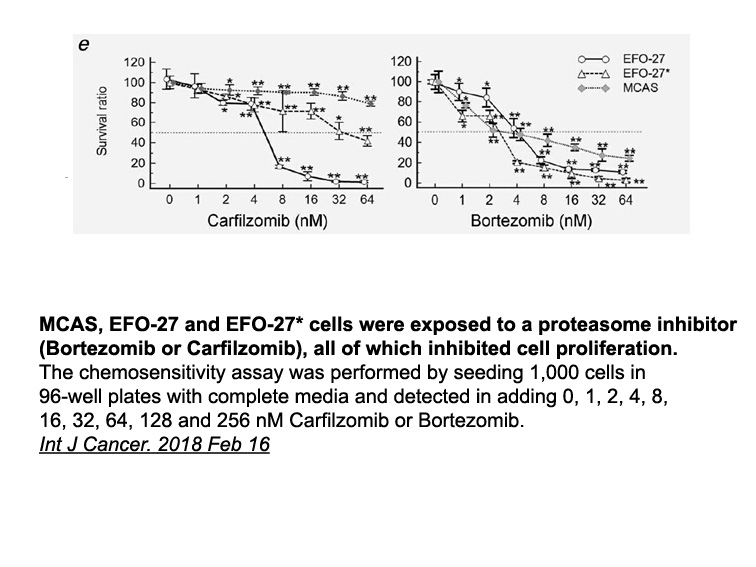
There were limitations to this study. Specifically, although rigorously examined for accuracy, the NCDB and SEER databases still suffer from issues with data entry and completeness of the treatment record. Of note, although the data were collected on a modern cohort of patients treated from 2010 to
-
In this current study we not
2022-03-14
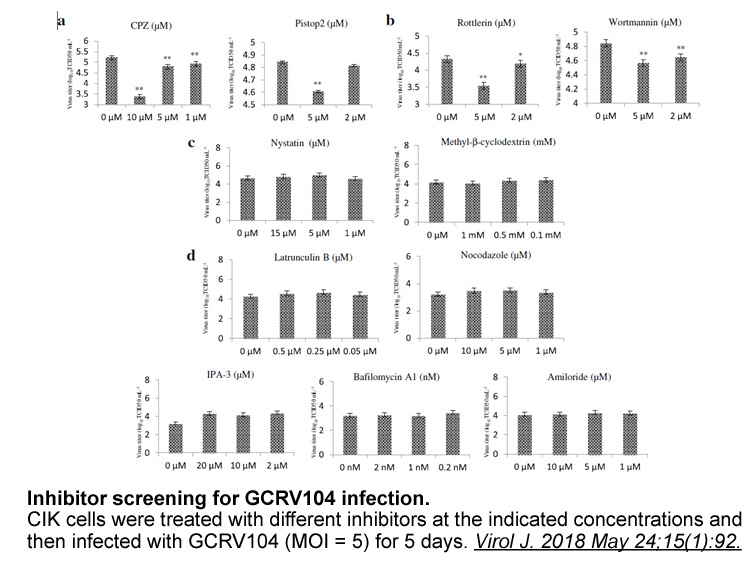
In this current study, we not only demonstrated the growth-inhibitory effects of the 2nd generation analog SL-1-39 on the HER2+ breast cancer cells, MDA-MB-453 and SKBR3 (Table 1), but we also demonstrated that the decrease in cell number was associated with an interruption of Alda 1 progression th
-
br Competing interests br Funding br Ethical approval br
2022-03-14

Competing interests Funding Ethical approval Acknowledgement Introduction Hepatitis C is a disease that infects the liver through transmission of the hepatitis C virus (HCV). Because the symptoms of this infection are not pronounced, the infected individuals may not even be aware of t
-
br Action of GPR in metabolically active tissues
2022-03-12

Action of GPR55 in metabolically active tissues In addition to being highly expressed by discrete brain regions, as described in Section 2, GPR55 is also expressed in a wide range of peripheral tissues, including spleen, adrenals and bone (Sawzdargo et al., 1999, Ryberg et al., 2007, Whyte et al.
-
Compared to methadone or morphine buprenorphine
2022-03-12
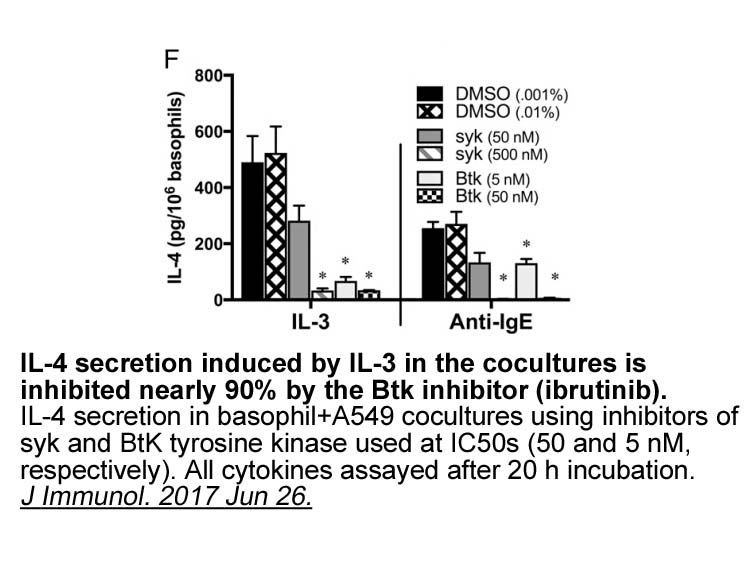
Compared to methadone or morphine, buprenorphine is a partial mu-opioid agonist, which shows high affinity for, and slow dissociation from, mu-opioid receptors. This maintenance of homeostasis may help to counter the development of an overt withdrawal syndrome, and may explain the lower risk of deve
-
Generally speaking the regulation of GnIH on gonadotropins s
2022-03-12
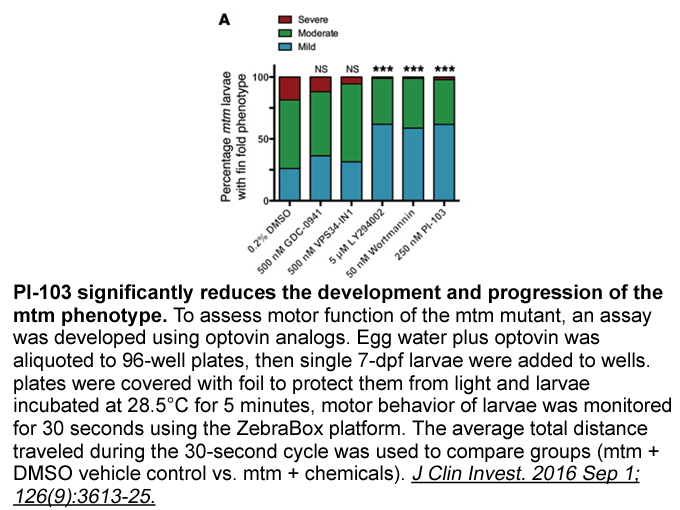
Generally speaking, the regulation of GnIH on gonadotropins synthesis and release, although controversial, could be direct and/or indirect via GnRH, among others peptides. In this sense, different scenarios have been reported in vertebrates. In mammalian and avian species, GnIH fibers reach the medi
-
It is an aspiring task to
2022-03-12
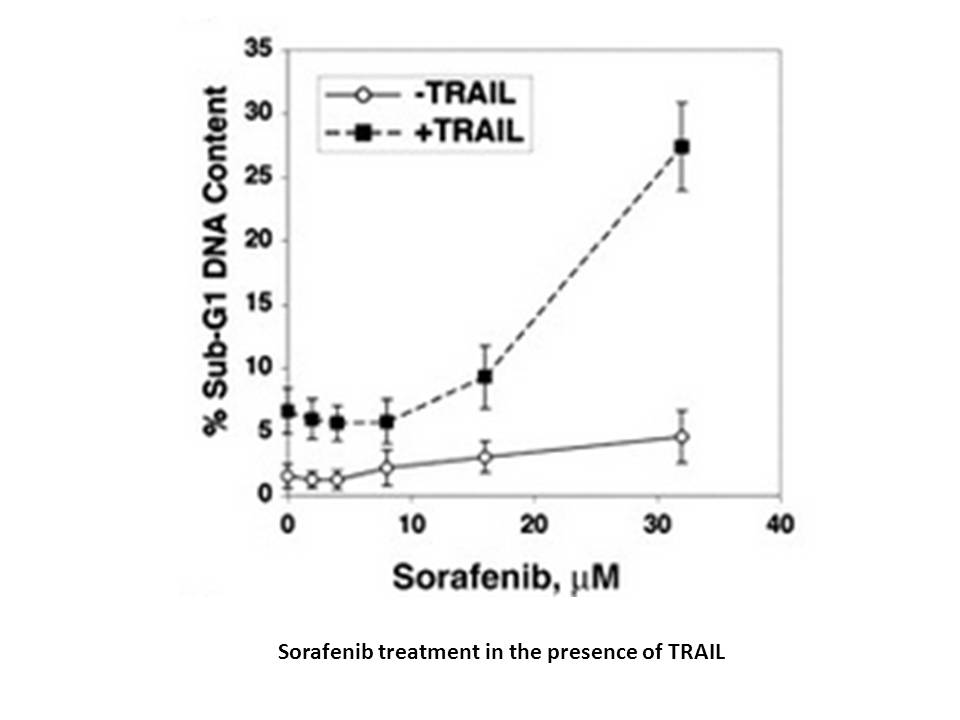
It is an aspiring task to apply the glutamate biosensor for in vivo measurements in Rufinamide tissue. Due to a relatively large size of the electrode used in this work, the biosensor fits only ex vivo applications. However, it is possible to apply platinum microelectrodes 50–100 μm in diameter for
-
br Redox regulation in the brain
2022-03-12
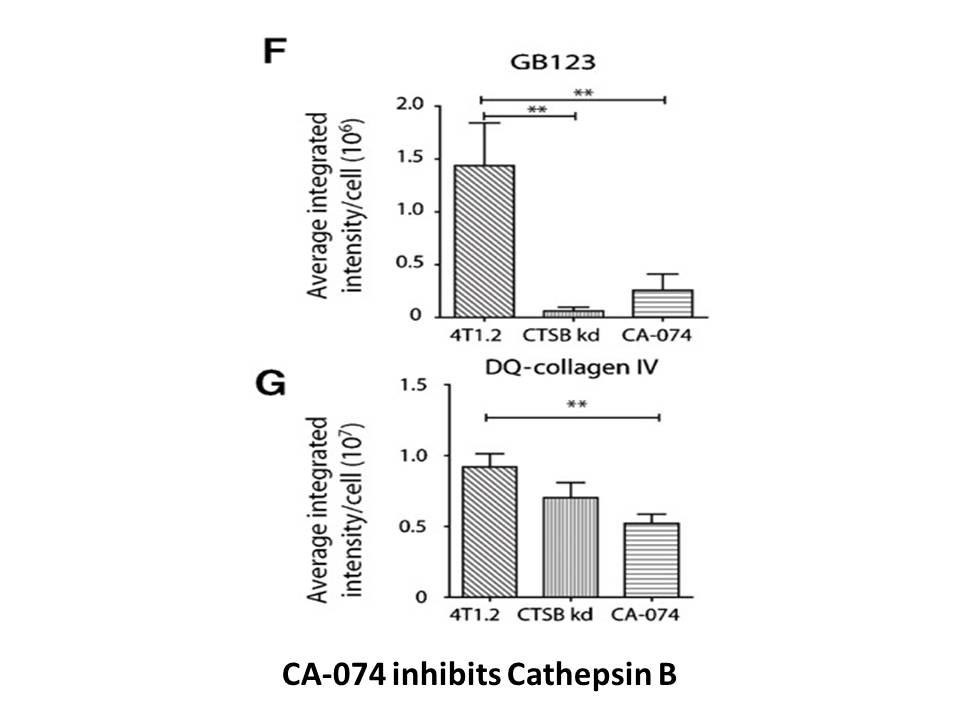
Redox regulation in the brain Reactive oxygen species are generated in beta lactamase by the mitochondrial respiratory chain, which occurs on the inner mitochondrial membrane (Murphy, 2009, Jensen, 1966, Dickinson and Chang, 2011). Interestingly, although most cancer cells are thought to primari
-
This GluR A independent mechanism by which the associative s
2022-03-12
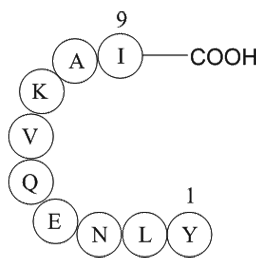
This GluR-A-independent mechanism, by which the associative strength of spatial locations can be increased (and/or decreased) gradually over many trials, and which presumably underlies spatial reference memory acquisition during tasks such as the Morris watermaze or the radial maze (Zamanillo et al.
-
br Funding sources This work was supported in part
2022-03-12
Funding sources This work was supported, in part, by NIH GM115388 to BGM. Acknowledgements Introduction Glucokinase (GCK) plays a central role in the regulation of glucose metabolism. Its activity is restricted to Pregnenolone Carbonitrile with important roles in whole-body glucose homeos
8432 records 522/563 page Previous Next First page 上5页 521522523524525 下5页 Last page