Archives
- 2026-10
- 2026-09
- 2026-08
- 2026-07
- 2026-06
- 2026-05
- 2026-04
- 2026-03
- 2026-02
- 2026-01
- 2025-12
- 2025-11
- 2025-10
- 2025-09
- 2025-03
- 2025-02
- 2025-01
- 2024-12
- 2024-11
- 2024-10
- 2024-09
- 2024-08
- 2024-07
- 2024-06
- 2024-05
- 2024-04
- 2024-03
- 2024-02
- 2024-01
- 2023-12
- 2023-11
- 2023-10
- 2023-09
- 2023-08
- 2023-07
- 2023-06
- 2023-05
- 2023-04
- 2023-03
- 2023-02
- 2023-01
- 2022-12
- 2022-11
- 2022-10
- 2022-09
- 2022-08
- 2022-07
- 2022-06
- 2022-05
- 2022-04
- 2022-03
- 2022-02
- 2022-01
-
GSK is a critical component of the
2022-03-10
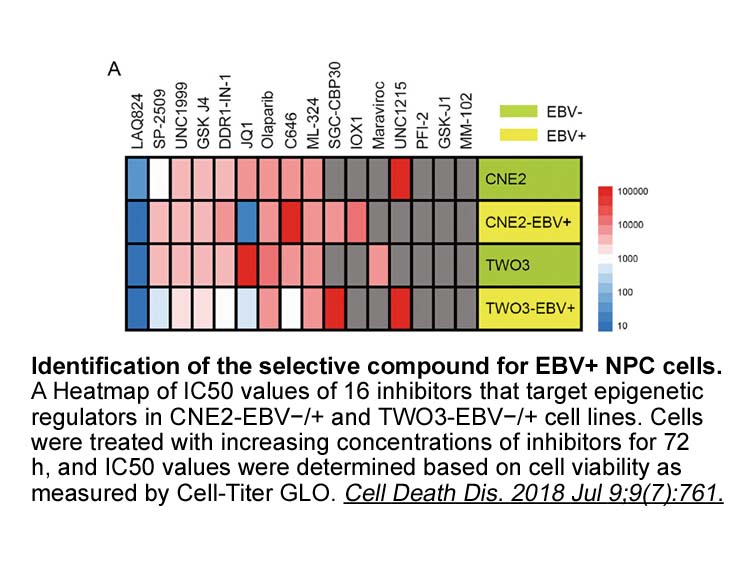
GSK-3 is a critical component of the Wnt signaling pathway. The Wnt/beta-catenin signal transduction pathway is important in normal growth and development and is also frequently dysregulated in cancer and other diseases. The Wnt/beta-catenin pathway is finely tuned by both positive and negative inte
-
Lipid sensing GPCRs as therapeutic targets
2022-03-10
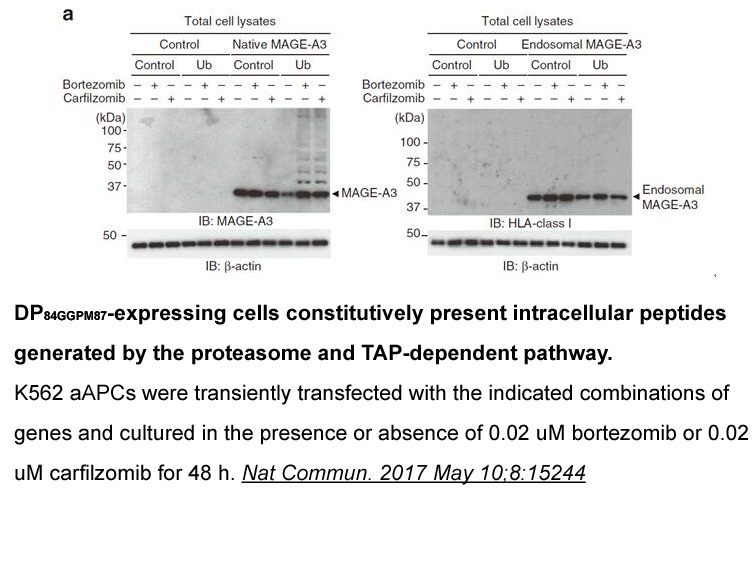
Lipid-sensing GPCRs as therapeutic targets G-protein-coupled receptors (GPCRs) comprise a family of cell-surface receptors that respond to various extracellular stimuli such as light, odorants, neurotransmitters and hormones, and trigger a cascade of intracellular signaling. There are approximately
-
For several years CXCL had been
2022-03-09

For several years, CXCL17 had been classified as an orphan chemokine, until Maravillas-Montero et al. claimed that orphan G-coupled protein receptor GPR35 is the receptor of CXCL17 [15], [16]. However, no following research has been produced to further explore the function of the CXCL17-CXCR8 (GPR3
-
br TGR Agonists br FXR TGR Dual Agonists
2022-03-09
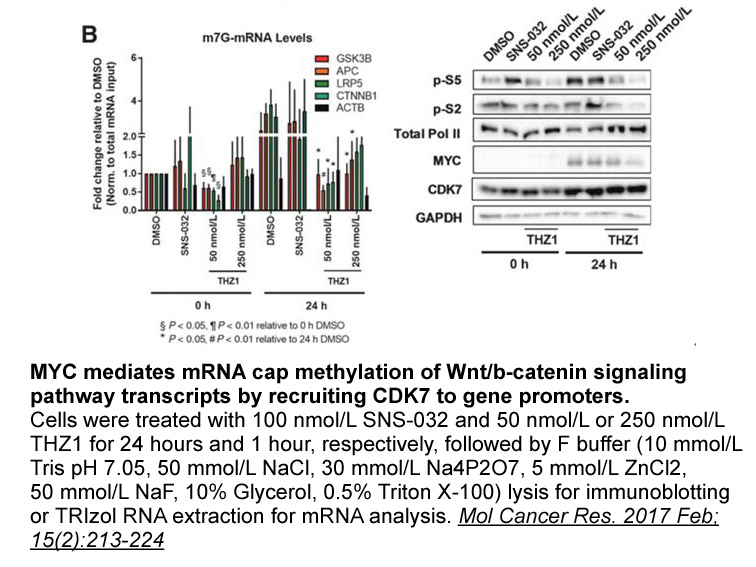
TGR5 Agonists FXR/TGR5 Dual Agonists In 2010, a FXR/TGR5 dual agonist, 51 (INT-767), was reported [57]. Using an AlphaScreen coactivator recruitment assay, the potency of 51 at FXR was 30nM. In NCI-H716 cells, 51 stimulated intracellular cAMP secretion with an EC50 of 0.63μM. Its TGR5 potency
-
The occurrence of MDR in cancer patients undergoing chemothe
2022-03-09
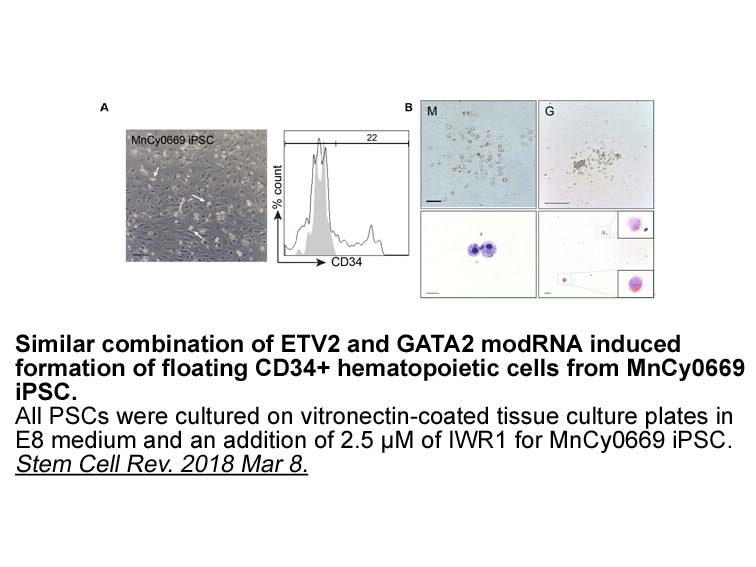
The occurrence of MDR in cancer patients undergoing chemotherapy can be mimicked in the laboratory by culturing cancer Pimozide in the presence of chemotherapeutic drugs, thereby enforcing the evolution of acquired drug resistance. This has been described in multiple model systems including the rha
-
br Acknowledgments This work was financially supported
2022-03-09
Acknowledgments This work was financially supported by the National Natural Science Foundation of China (No. 81703451) and the China Postdoctoral Science Foundation Grant (No. 2017M611269). Introduction According to the International League Against Epilepsy (ILAE), epilepsy is generally defin
-
The ester moiety is a promising structural motif at the
2022-03-09
The ester moiety is a promising structural motif at the C-3 position for the development of drug-like molecules. However, the labile C-3 ester bond impels these derivate to be susceptible to plasmatic degradation by esterases and this is natural steroidal metabolic process [39,40]. Hence, the isoste
-
Sequences of hexokinases were initially deduced and predicte
2022-03-09
Sequences of hexokinases were initially deduced and predicted based on cDNA clones (Andreone et al., 1989, Schwab and Wilson, 1989, Schwab and Wilson, 1991, Griffin et al., 1991, Thelen and Wilson, 1991). Analysis of genome sequence data identified, in Ac-DEVD-AFC to the 4 expected known hexokinase
-
Yeast two hybrid screening studies have
2022-03-09
Yeast two-hybrid screening studies have provided the foundation for countless investigations of protein-protein interactions [[141], [142], [143]]. To identify additional hepatic proteins similar to GKRP that are implicated in GCK regulation, a group of researchers conducted a two-hybrid study using
-
This study compared PMS ascorbate and t
2022-03-09
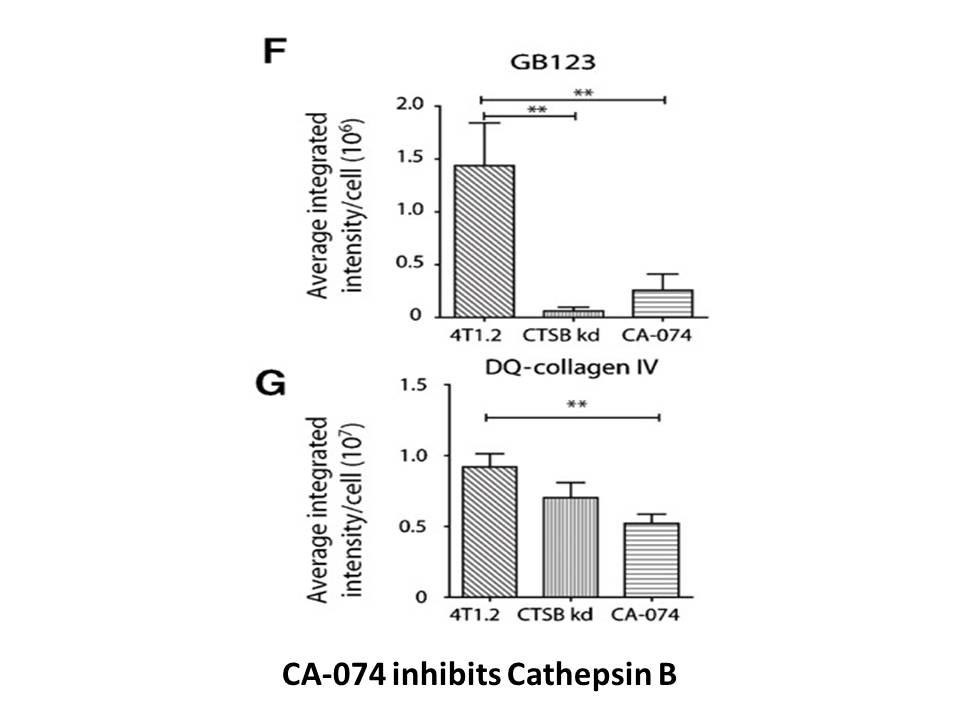
This study compared PMS+ascorbate and t-BHP in terms of their effects on the volume-dependent parameters of normal human RBCs. Incubation with both oxidative systems resulted in the RBC density and osmotic resistance distribution shifts. Clotrimazole or Са2+ added into the medium, as well as high ex
-
GSIs were shown to effectively decrease A
2022-03-09

GSIs were shown to effectively decrease Aβ levels at doses close to or higher than their IC50 values in cell culture models. Surprisingly, they also slightly increase Aβ levels at low doses, (significantly below the IC50) also known as “Aβ rise”, due to various mechanisms including inhibition of cel
-
Introduction Osteoclasts are large multinuclear cells that a
2022-03-09
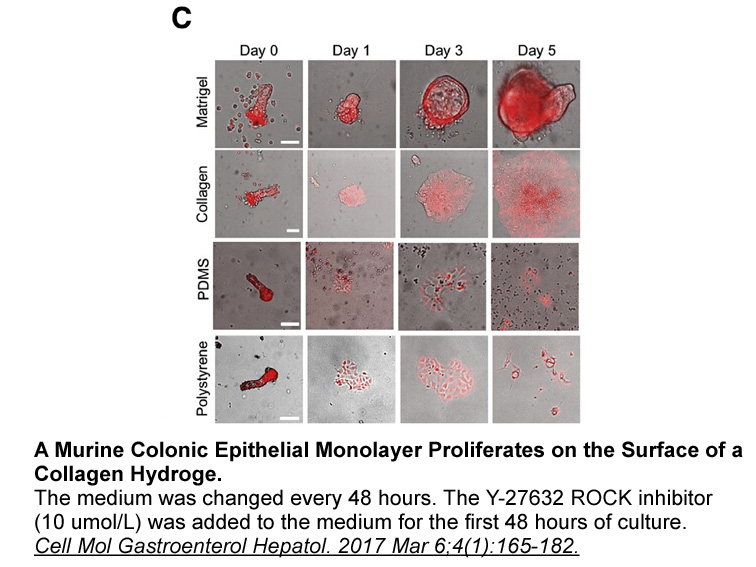
Introduction Osteoclasts are large, multinuclear alisertib that are responsible for the resorption (breakdown) of bone [1]. Together with osteoblasts, the bone forming cell, they maintain the integrity of the skeleton through constant resorption and repair of bone. Osteoclast precursors of monocyt
-
With the nitrogen containing heterocycle components and the
2022-03-09
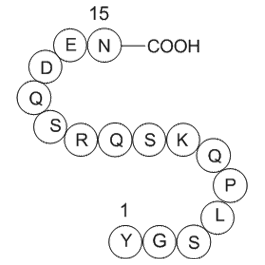
With the nitrogen-containing heterocycle components and the acidic components in hand, the final products were synthesized according to the procedure as depicted in . Reaction of – with various β-substituted phenylpropionic birinapant receptor (, and ), followed by deprotection by TFA, smoothly pr
-
br Introduction Isoprenoid structures play an essential role
2022-03-09
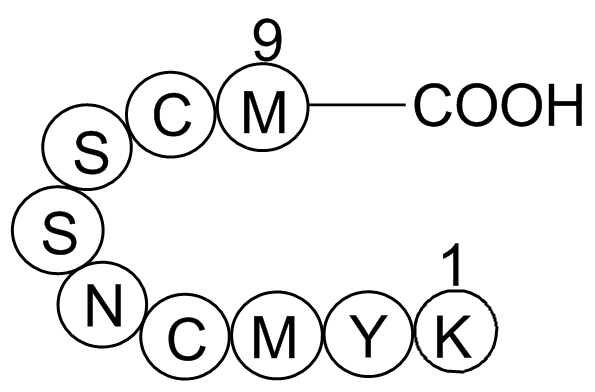
Introduction Isoprenoid structures play an essential role in biology and over 30,000 natural products of this class are known (Greenhagen et al., 2003). Like other animals, insects require these compounds for many disparate processes, including electron transport (e.g., ubiquinones), protein glyc
-
WT associated protein WTAP a
2022-03-09
WT1 associated protein (WTAP), a nuclear protein, is first identified by Little [6] who noticed its specific interaction with WT1. Besides several essential physiological processes, such as mRNA stabilization [7], eye development [8], m6A methylation [9], mRNA alternative splicing [10] and Triciribi
8432 records 525/563 page Previous Next First page 上5页 521522523524525 下5页 Last page