Archives
- 2026-06
- 2026-05
- 2026-04
- 2026-03
- 2026-02
- 2026-01
- 2025-12
- 2025-11
- 2025-10
- 2025-09
- 2025-03
- 2025-02
- 2025-01
- 2024-12
- 2024-11
- 2024-10
- 2024-09
- 2024-08
- 2024-07
- 2024-06
- 2024-05
- 2024-04
- 2024-03
- 2024-02
- 2024-01
- 2023-12
- 2023-11
- 2023-10
- 2023-09
- 2023-08
- 2023-07
- 2023-06
- 2023-05
- 2023-04
- 2023-03
- 2023-02
- 2023-01
- 2022-12
- 2022-11
- 2022-10
- 2022-09
- 2022-08
- 2022-07
- 2022-06
- 2022-05
- 2022-04
- 2022-03
- 2022-02
- 2022-01
- 2021-12
- 2021-11
- 2021-10
- 2021-09
- 2021-08
- 2021-07
- 2021-06
- 2021-05
- 2021-04
- 2021-03
- 2021-02
- 2021-01
- 2020-12
- 2020-11
- 2020-10
- 2020-09
- 2020-08
- 2020-07
- 2020-06
- 2020-05
- 2020-04
- 2020-03
- 2020-02
- 2020-01
- 2019-12
- 2019-11
- 2019-10
- 2019-09
- 2019-08
- 2019-07
- 2019-06
- 2019-05
- 2019-04
- 2018-07
-
Here we show that Hippo signaling components are expressed
2021-09-10
Here, we show that Hippo signaling components are expressed during epicardium formation. To determine the significance of Yap and Taz in the developing epicardium, we generated epicardium-specific Yap/Taz double-knockout mice. Genetic deletion of Yap and Taz using Sema3d mice leads to embryonic leth
-
bms 5 45 sale br Conflict of interest statement br Introduct
2021-09-10
Conflict of interest statement Introduction The Hedgehog (Hh) family of secreted protein signals patterns many tissues and structures during embryogenesis (Chiang et al., 1996, Dessaud et al., 2008, Ingham, 1993) and, post-embryonically, governs tissue homeostasis and regeneration by regulatin
-
Immunohistochemical analysis of sheep skin
2021-09-10

Immunohistochemical analysis of sheep skin sections showed that sGC prtotein is expressed in the hair follicles with different location and abundance between white and black sheep skin (Fig. 6). In white sheep skin, Strong sGC positive signal was detected in the upper hair dermal papilla but no posi
-
There are five subfamilies of P type ATPases I
2021-09-10
There are five subfamilies of P-type ATPases (I-V), which transport metal ions or phospholipids across membranes (Palmgren and Nissen, 2011). Although our studies indicate that the P-type ATPase domain is important for function, how it contributes to cGMP production is currently unknown. The P-type
-
For the study described herein analogues
2021-09-10
For the study described herein, analogues of CID1792197 (2) were selected for exploration. There are a variety of reasons for this decision. First, the synthetic approach, described hereafter, is modular in nature to rapidly enable the independent modification of either end of the molecule. Second,
-
Moreover there is a third possible GnRH agonist target
2021-09-10

Moreover, there is a third possible GnRH agonist target – the endometrium. The human endometrium has been shown to express high levels of both GnRH and GnRH receptors (Maggi et al., 2016), and GnRH agonists affect the function of the urokinase-type plasminogen activator/plasminogen activator inhibit
-
Among the compounds prepared at this stage the
2021-09-10
Among the compounds prepared at this stage, the cyclopropylmethylenoxy analogue attracted our most attention since it demonstrated particularly good in vitro potency at GlyT1 (16nM), no activity at the GlyT2 isoform up to the highest concentration tested (30μM), good physical properties with modera
-
One important discovery of our study is the identification
2021-09-09
One important discovery of our study is the identification of a pharmacological mechanism for the macrolide antibiotic erythromycin (EM) in promoting joint health. EM is a commonly used antibiotic that directly binds bacterial ribosomes to inhibit protein synthesis [66]. Although EM-like macrolide N
-
In sharp contrast to these genetically altered animals there
2021-09-09
In sharp contrast to these genetically altered animals, there are two types of living fish that appear to lack Band 3 in their red blood cells. These are the Lamprey [45] and the Hagfish [46,47]. While these fish normally occupy their respective niches, the presumed compensatory mechanisms, as with
-
Cellular inhibition is caused by the hyperpolarization of th
2021-09-09
Cellular inhibition is caused by the hyperpolarization of the cell and is mediated by both synaptic and extrasynaptic GABAARs. Synaptic GABAARs are sensitive to high concentrations of GABA released at the synapse and mediate phasic inhibition. In contrast, extrasynaptic GABAARs mediate tonic inhibit
-
LPCs have been previously described
2021-09-09
LPCs have been previously described as potential anti-diabetic factors due to stimulation of secretory activity from the isolated rodent pancreas, L-type cells, ands insulin-producing cell lines, with LPC 18:1 as the main structure of interest (Soga et al., 2005, Sakamoto et al., 2006, Overton et al
-
The data presented here support a dynamic and complex interp
2021-09-09
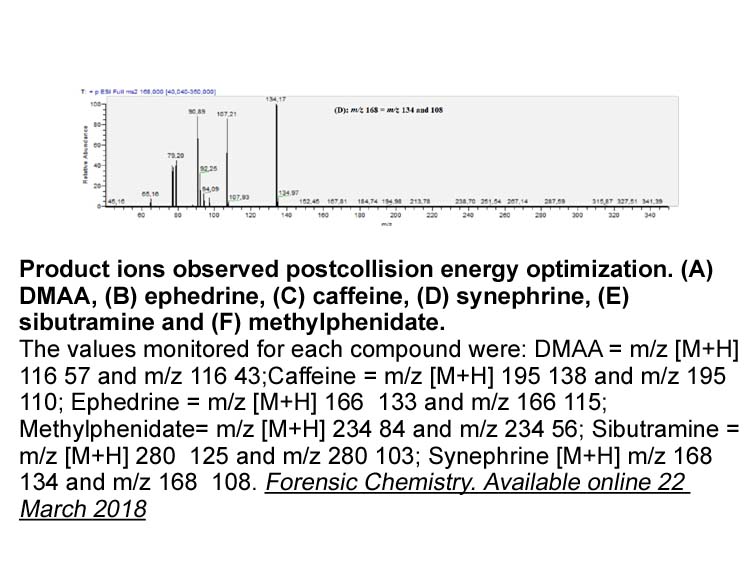
The data presented here support a dynamic and complex interplay among labile heme, BACH1 and HO-1. It appears also that metabolites of heme degradation may participate in the mechanistic regulation of the various factors examined. Our results point to the possibility that the HO-1 pathway restricts
-
br Ethical approve and consent to participate
2021-09-09
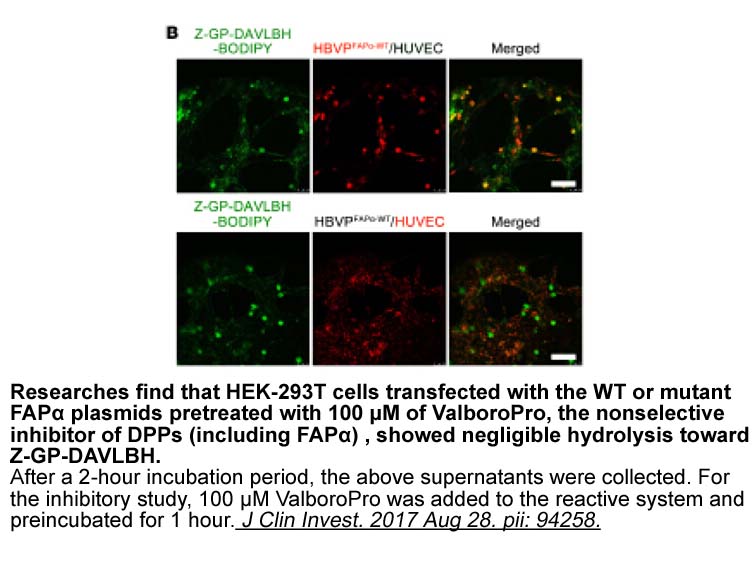
Ethical approve and consent to participate Consent for publication Availability of supporting data Competing interests Funding This work was supported by a grant from Key Program of National Natural Science Foundation of China (No. 81330089) and the Shanghai Science and Technology Fun
-
Lastly haspin inhibitor was assessed against a panel
2021-09-09
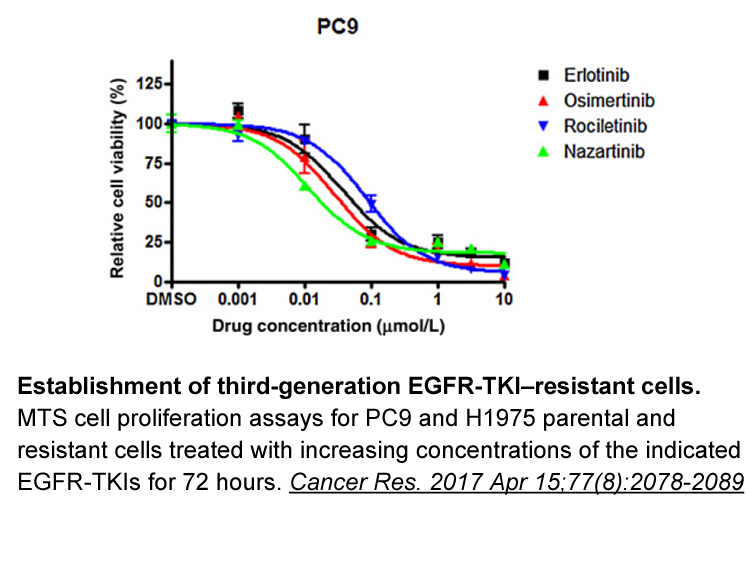
Lastly, haspin inhibitor was assessed against a panel of 292 kinases at 10μM. At this high concentration, the CBR-5884 inhibited thirteen kinases, in addition to haspin, ⩾90%., These kinases were CaMK2b, CaMK2d, CDK7-CycH-Mat1, cGK2, CK1d, CLK1, CLK2, DYRK1A, DYRK1B, DYRK3, PASK, PIM1 and PKD3. I
-
br Future perspectives sGC signaling is
2021-09-08

Future perspectives sGC signaling is important in the maintenance of multiple physiological functions. sGC is localized to cell membranes with both sGC Cys modifications and heme regulation identified as the crucial components in regulating sGC activity. Specifically, S-nitrosation of several com
16195 records 621/1080 page Previous Next First page 上5页 621622623624625 下5页 Last page